
Everyone has responsibilities, whether they realize it or not. A student has schoolwork to complete. An employee has tasks to finish. Parents have children to care for, and adults have bills, appointments, relationships, and personal goals to manage.
But what does responsibility actually mean?
It’s basically about doing what you’re expected to do and accepting the results of your choices. It doesn’t mean you have to be perfect or never make mistakes. In fact, responsible people make mistakes too. The difference is that they usually admit them, learn from them, and try to do better next time.
What Does Being Responsible Mean?
Being responsible can look different depending on the situation.
At home, it might mean cleaning your room, helping with household work, taking care of a family member, or paying bills on time. At school, it could mean completing assignments and preparing for exams. At work, it means meeting deadlines, communicating with your team, and taking your duties seriously.
There’s also a personal side to it.
You’re responsible for many of the choices you make every day. For example, if you spend all your money early in the month, you may have a difficult time later. If you keep putting off an important task, you might end up under pressure when the deadline arrives.
These situations may seem simple, but they show how everyday decisions can have consequences.
Why Is Responsibility Important?
One of the biggest reasons it matters is trust.
People want to know that they can depend on you. If you promise to do something and actually do it, people remember that. If you regularly arrive late, forget important tasks, or make promises you don’t keep, people may eventually stop relying on you.
This is true in both personal and professional life.
For example, imagine two employees with similar skills. One finishes work on time, communicates when there is a problem, and accepts feedback. The other regularly misses deadlines and makes excuses. Even if both are talented, the first employee will probably be seen as more dependable.
Being dependable can open doors that talent alone sometimes can’t.
Taking Ownership of Your Mistakes
Nobody gets everything right.
You might forget an appointment, send the wrong information, miss a deadline, or say something that upsets another person. What matters is how you handle the situation afterward.
A common reaction is to look for someone else to blame. Maybe the instructions weren’t clear. Maybe you were too busy. Maybe someone else caused a delay.
Sometimes those things are genuinely true. However, constantly blaming other people doesn’t help you improve.
A better approach is to ask yourself, “What could I have done differently?”
Maybe you could have asked for clearer instructions. Maybe you should have started earlier. Maybe you needed to double check your work.
Learning to look at your own actions honestly can help you avoid repeating the same problem.
Responsibility Begins With Small Things
You don’t need to make dramatic changes to become more dependable. Start with simple habits.
Make a list of important tasks each morning. Set reminders for appointments. Reply to important messages instead of leaving them for days. If you borrow something, return it when you said you would.
Another useful habit is finishing what you start.
Of course, that’s not always possible. Plans change and unexpected problems happen. But if you regularly leave tasks unfinished, it can create stress and make other people wait for you.
Small habits like these can gradually make daily life easier.
Being Responsible at Work
The workplace is one of the clearest places where reliability matters.
If you know you won’t finish a project on time, tell your manager or client as soon as possible. Don’t wait until the deadline has already passed. Early communication gives everyone a chance to find a solution.
It also helps to understand your role. If you’re unsure about something, ask questions instead of guessing. Asking for clarification isn’t a weakness. It can actually prevent bigger mistakes later.
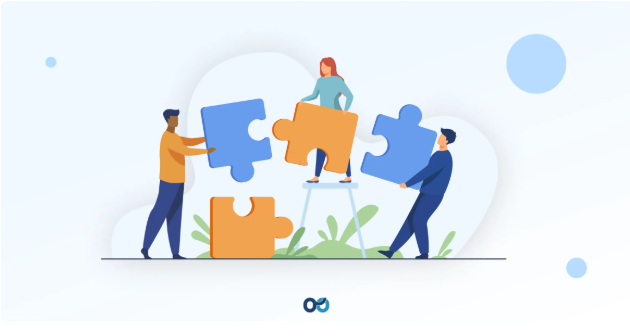
Good workers also understand that their actions can affect other people. If one person doesn’t complete their part of a project, another person may be unable to finish theirs.
That’s why being dependable isn’t only about your own work. It can affect the whole team.
Responsibility in Relationships
Personal relationships need the same kind of reliability.
Friends, partners, parents, siblings, and other family members all depend on each other in different ways. Keeping promises, listening when someone needs support, and being honest can make relationships stronger.
It doesn’t mean saying yes to everything.
Sometimes being responsible means admitting that you don’t have the time or energy to help. It’s better to be honest than to make a promise you already know you can’t keep.
Clear communication can prevent many unnecessary misunderstandings.
How to Become More Responsible
If you want to improve, start by paying attention to your daily behavior.
Ask yourself a few simple questions:
Are you keeping the promises you make?
Do you finish important tasks on time?
Do you admit when you’ve made a mistake?
Do you communicate when there’s a problem?
Do you think about how your actions affect other people?
You don’t need to change everything at once. Choose one area and work on it consistently.
For example, if you’re often late, start preparing earlier. If you forget tasks, use a written checklist. If you avoid difficult conversations, practice being more direct and respectful.
Progress usually comes from repeated small improvements, not one big decision.
Final Thoughts
Responsibility is a quality that develops through everyday choices. It shows in how you handle your work, your relationships, your money, your commitments, and your mistakes.
Nobody will handle every situation perfectly. That’s not the goal.
The goal is to become someone who can be trusted, who learns from experience, and who doesn’t run away when things become difficult. When you take ownership of your actions, you also give yourself a better chance to learn and grow.
Sometimes, the smallest changes in your daily routine can have the biggest effect over time.