
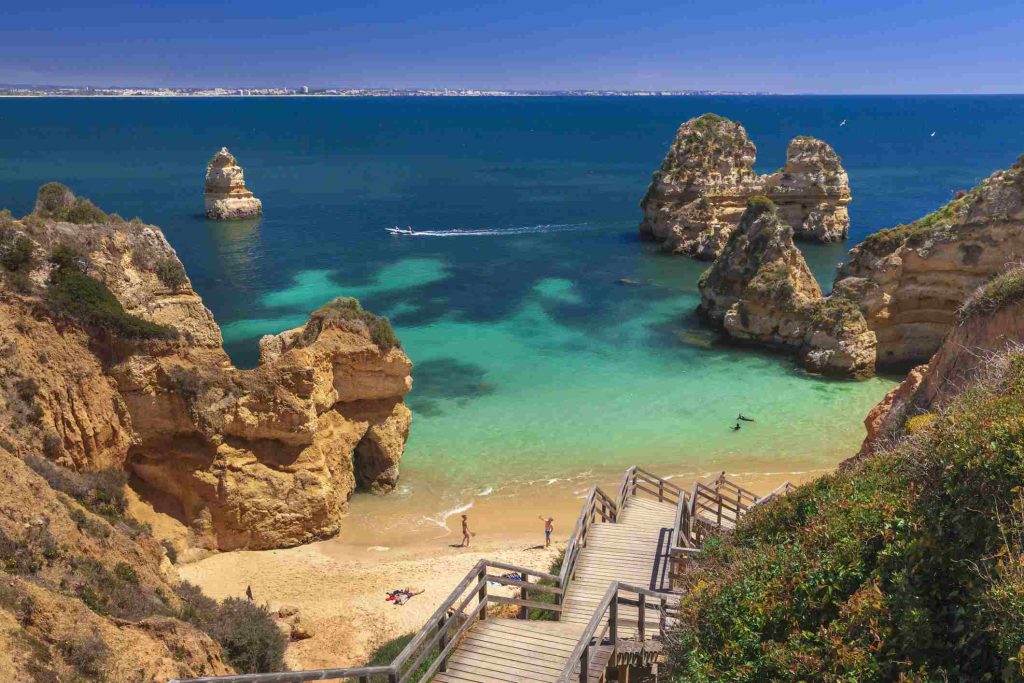
Portugal may look small on the map, but there’s a surprising amount to see. You can explore historic neighborhoods in Lisbon, taste port wine in Porto, relax on beaches in the Algarve, or hike through the mountains of Madeira. The country also has a great mix of old and new, so a trip here doesn’t have to be focused on just one type of experience.
One of the nice things about Portugal is that you can enjoy a lot without constantly rushing from one attraction to another. Many cities are walkable, public transportation is useful, and even popular destinations have quieter areas once you move away from the main tourist streets.
If you’re planning your first trip, these are some of the best places to visit in Portugal to put on your list.
Lisbon: The Best Place for a First Visit
Lisbon is usually the easiest starting point for international travelers. It’s Portugal’s capital and offers a combination of history, food, culture, viewpoints, and nightlife.
The Alfama district is one of the oldest parts of the city. Its narrow streets and steep hills are perfect for walking, although you’ll definitely notice the hills after a few hours. The area is also closely connected with traditional Fado music.
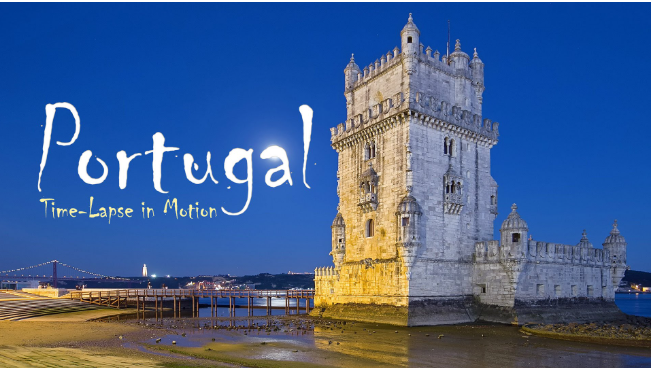
Another important area is Belém. Here you can see the Belém Tower and Jerónimos Monastery, two major landmarks connected to Portugal’s maritime history. This is also a good place to try pastéis de nata, the famous Portuguese custard pastries.
For a great city view, look for one of Lisbon’s many miradouros, or viewpoints. Sunset is particularly popular.
Best for: First-time visitors, history, food, nightlife, and city sightseeing.
Porto: Great for History, Food, and Wine
Porto sits along the Douro River in northern Portugal and has a personality of its own. The city is famous for its historic architecture, riverside district, and port wine.
Start around Ribeira, the colorful waterfront area in the historic center. From there, you can walk across the Dom Luís I Bridge for views of the city and river.
Across the river is Vila Nova de Gaia, where many traditional port wine cellars are located. A cellar visit can be worthwhile even if you aren’t a serious wine fan because it gives you a better understanding of the region’s history.
Porto is also a good destination for food lovers. Try local dishes such as francesinha, a filling sandwich covered in sauce and cheese, if you’re looking for something hearty.
Best for: Food, wine, architecture, photography, and shorter city breaks.
Sintra: A Day Trip Full of Castles
Sintra is close enough to Lisbon to visit as a day trip, although staying overnight can give you more time to explore.
The town is surrounded by wooded hills and is famous for its palaces. Pena Palace is the main attraction for many visitors. Its colorful exterior and hilltop position make it one of Portugal’s most recognizable landmarks.
Quinta da Regaleira is another fascinating stop. Its gardens include underground tunnels, unusual structures, and the famous Initiation Well.
Because Sintra attracts a lot of visitors, arriving early can make the experience much more comfortable. Public transportation from Lisbon is available, and you can use local buses or other transport to reach attractions around the hills.
Best for: Architecture, history, photography, couples, and families.
The Algarve: Portugal’s Beach Destination
The Algarve is the region to consider if beaches are an important part of your vacation. It stretches along southern Portugal and is known for dramatic cliffs, sandy beaches, small towns, and Atlantic views.
Lagos is a popular base for travelers because it has a historic center and easy access to several beaches. You can also take boat trips around the coastline to see caves and rock formations.
Albufeira is another well-known destination. It has plenty of restaurants, accommodation, beaches, and entertainment, making it convenient for travelers who want more facilities nearby.
If you prefer a quieter atmosphere, look beyond the busiest resort areas. Smaller coastal communities can offer a more relaxed experience.
Best for: Beaches, swimming, boat trips, families, and summer holidays.
Madeira: Ideal for Nature and Hiking
Madeira is an island destination that feels very different from mainland Portugal. It’s especially popular with people who enjoy hiking, mountains, gardens, and outdoor activities.
Funchal is the island’s main city and a convenient place to stay. From there, you can explore different parts of Madeira by car, tour, or public transportation.
The island is known for its levada walks. These are trails that follow historic irrigation channels through the mountainous landscape. Some routes are relatively easy, while others require more preparation, so check current trail conditions before heading out.
Madeira is also famous for its viewpoints. Because the landscape changes quickly from coastline to mountains, even a short drive can give you completely different scenery.
Best for: Hiking, nature, scenic drives, outdoor activities, and longer stays.
Évora: Discover the Alentejo Region
If you want to experience a quieter part of Portugal, Évora is worth considering.
This historic city is located in the Alentejo region and has a well-preserved old town. The Roman Temple is one of its most recognizable sights, while the Cathedral of Évora offers another look at the city’s long history.
The Chapel of Bones is perhaps the most unusual attraction. Its interior was created using human bones and skulls, so it isn’t for everyone, but it is certainly memorable.
Évora is also a good place to explore Alentejo cuisine and regional wines. Compared with Lisbon and Porto, the pace here feels much slower.
Best for: History, architecture, food, wine, and travelers who prefer quieter destinations.
How to Plan Your Portugal Trip
Choosing between the best places to visit in Portugal really comes down to how much time you have.
For a 5 to 7 day trip, Lisbon and Porto make a strong combination. You can also add Sintra as a day trip from Lisbon.
With 10 to 14 days, you have more flexibility. You could combine Lisbon, Sintra, Porto, and the Algarve without making the trip feel completely rushed.
If you have two weeks or more, consider adding Madeira or spending additional time in the Alentejo region.
It’s also worth thinking about the season. Summer is popular for beaches but can be busy and hot. Spring and early autumn can be comfortable for sightseeing and outdoor activities. Winter is generally milder than in many parts of Europe, although weather varies by region.
Portugal is a country where slowing down can actually improve your trip. Leave some space in your schedule for a long lunch, an unexpected viewpoint, a small local café, or simply wandering through an old neighborhood. You might find that those unplanned moments become the part you remember most.