
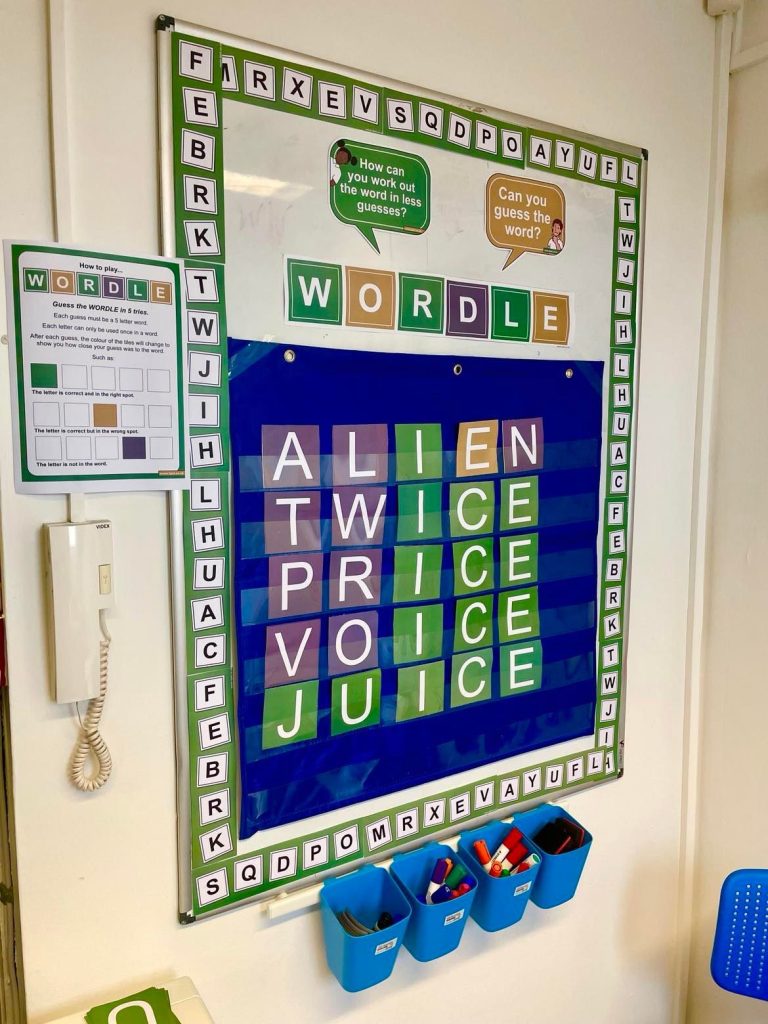
Getting students to pay attention can be difficult, especially when a lesson involves memorizing vocabulary, spelling rules, or unfamiliar terms. A short word game can sometimes do what a worksheet can’t. It gives students something to figure out, and that small challenge can make them more willing to participate.
Classroom Wordle is one example. The activity is based on a simple word guessing format where players try to identify a hidden word using clues from previous guesses. When used properly, it can become more than just a quick game. Teachers can use it to review vocabulary, introduce new words, practice spelling, or get students thinking at the start of a lesson.
What Is Classroom Wordle?
The basic concept is easy to understand. Students are given a hidden word and a limited number of attempts to find it. After each guess, the game provides information about the letters. A correct letter in the correct position is identified, while a correct letter in the wrong position receives a different indication. Letters that aren’t part of the answer are also identified.
This feedback encourages students to think about their next guess instead of simply entering random words.
For teachers, the useful part is that the hidden word can be connected to the subject being taught. An English teacher might choose a vocabulary word from a reading assignment. A science teacher could use a term from the current unit. Geography, history, technology, and other subjects can also be adapted to this format.
How Does It Help Students Learn?
Word puzzles can support several skills at the same time.
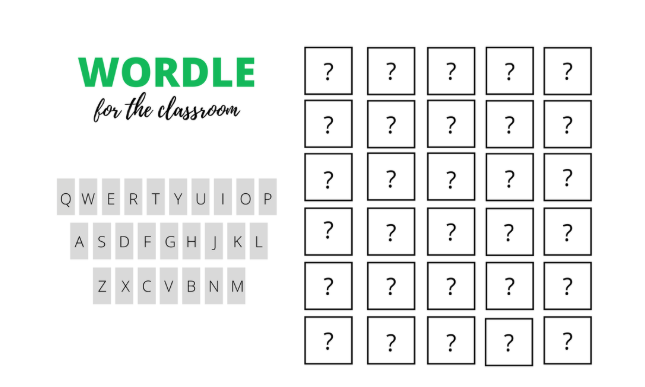
Spelling is one obvious area. Students have to pay close attention to the order of letters. If they make a mistake, the feedback gives them another chance to think about the correct spelling.
Vocabulary is another important benefit. When students encounter unfamiliar words in a puzzle, teachers can use the opportunity to explain their meanings. The word can then be used in a sentence or connected to the lesson.
The activity also involves logical thinking. Students have to remember previous guesses, compare the clues, eliminate letters, and decide which word makes sense next. They aren’t just recalling information. They’re using the information they’ve received to make a decision.
Using Wordle as a Lesson Starter
A word puzzle can work well during the first few minutes of class.
For example, suppose students are starting a lesson about the environment. The teacher could choose a relevant word and let students work on the puzzle before introducing the main topic. Once the word is solved, the teacher can use it as a starting point for discussion.
This approach gives students something to think about immediately. It can also help activate knowledge they already have about the subject.
The important thing is not to spend too much time on it. Five or ten minutes may be enough. The puzzle should support the lesson rather than take over the entire class.
Using It for Vocabulary Review
Teachers can also use classroom wordle after introducing new vocabulary.
Imagine a class has learned ten new words during the week. Instead of reviewing every word through another traditional exercise, the teacher can select a few and turn them into puzzles.
After students solve a word, the teacher can ask simple follow up questions:
- What does the word mean?
- Can you use it in a sentence?
- What is a similar word?
- Where might you see or hear this word?
- How is it connected to today’s lesson?
These questions make the activity more educational because students aren’t stopping at simply finding the answer.
Individual, Pair, or Group Activity?
There isn’t one correct way to run the activity.
Individual play allows students to work at their own pace. It can be useful when a teacher wants to see which students understand the vocabulary independently.
Pair work can make the activity more conversational. Two students can discuss possible guesses and explain why they think a particular word might work.
Small groups can be useful for younger students or classes where collaboration is an important learning goal. Students can compare ideas, but the teacher should make sure that everyone gets an opportunity to contribute.
Creating Subject Specific Puzzles
One of the biggest advantages of word puzzles is their flexibility.
In an English class, teachers can use vocabulary, verbs, adjectives, or words from a novel.
In science, puzzles can feature terms related to biology, chemistry, physics, or environmental studies.
In history, students could work with important concepts, places, or terminology from a particular period.
In computer classes, teachers might choose words connected to programming, software, hardware, or internet technology.
The same basic activity can therefore be adjusted for different age groups and subjects.
Tips for Teachers
The choice of words matters. If every puzzle contains extremely difficult vocabulary, students may become frustrated rather than interested. Start with words that match the students’ current ability and gradually introduce more challenging terms.
It’s also useful to explain the learning goal. Students should understand that the game isn’t only about winning or finding the answer quickly. They’re practicing language, recognizing patterns, and using clues to solve a problem.
Teachers can also keep a record of words that cause difficulty. Those words can be revisited later through sentences, quizzes, reading exercises, or class discussions.
Final Thoughts
Classroom Wordle can be a useful addition to regular teaching when it’s connected to a clear learning purpose. The game itself is simple, but the learning opportunities around it are much broader.
Students can practice spelling, strengthen vocabulary, recognize letter patterns, and develop problem solving skills while working individually or with classmates. Teachers can also adapt the activity to different subjects instead of limiting it to English lessons.
It doesn’t need to replace traditional teaching methods. A short word puzzle can simply add variety to the classroom and give students another way to interact with the material they’re learning.
And sometimes, that’s enough to turn an ordinary five minute review into an activity students actually want to take part in.